

DTCC’s Tokenization Launch Creates Competitive Pressure for Coinbase and Nasdaq
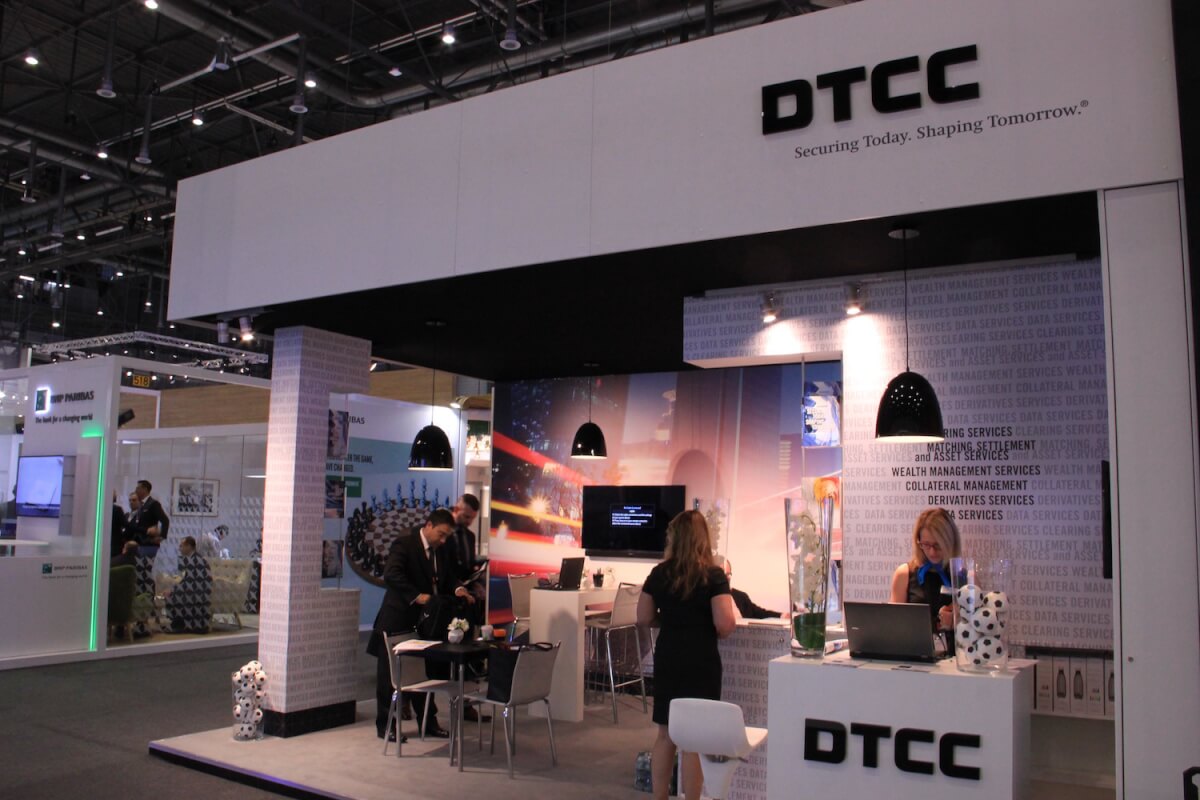
The U.S. Securities and Exchange Commission’s (SEC) recent approval for the Depository Trust & Clearing Corporation (DTCC) to tokenize traditional assets starting in the second half of 2026 is poised to fundamentally restructure the digital assets landscape, creating a massive competitive challenge for both crypto-native firms like Coinbase and established exchange operators like Nasdaq. As the entity responsible for clearing and settling nearly all U.S. securities transactions, the DTCC’s move legitimizes and institutionalizes the Real-World Asset (RWA) tokenization sector, forcing all other players to rapidly adjust their strategies.
DTCC’s Competitive Edge: Trust and Scale
The primary competitive advantage for the DTCC is its unchallenged role as the central market infrastructure. By receiving a No-Action Letter from the SEC to tokenize highly liquid assets—including Russell 1000 equities, major ETFs, and U.S. Treasuries—the DTCC instantly provides a trust and compliance layer that no crypto exchange or alternative trading system (ATS) can match. For traditional financial institutions (TradFi), the prospect of buying a tokenized Treasury bill directly from a DTCC-approved service, maintaining all established investor protections, removes the regulatory and counterparty risk that has been a major barrier to adoption. This positions the DTCC to capture the vast majority of institutional tokenization flows, relegating other platforms to a secondary role for their tokenized RWAs. The DTCC's initiative aims to create a unified pool of liquidity across the TradFi and DeFi ecosystems, which is a game-changer that sets the standard for market efficiency.
Direct Challenge to Nasdaq and Coinbase
For Nasdaq and Coinbase, the DTCC’s entry presents a direct and immediate challenge to their digital asset ambitions. Nasdaq has been actively developing its digital asset strategy, including the launch of tokenized securities in partnership with other technology providers and its investment in the Canton Network. The exchange’s goal has been to use tokenization to enable 24/7 trading and faster settlement. However, the DTCC’s move effectively takes control of the underlying clearing and settlement infrastructure for tokenized core assets. Nasdaq will now likely need to deeply integrate with the DTCC’s system, potentially shifting from being a primary driver of the RWA trend to an exchange layer that simply leverages DTCC’s tokenized assets.
Meanwhile, Coinbase is preparing to launch its own tokenized stocks on December 17, a strategy where it reportedly intends to issue and manage the digital shares entirely in-house. While this grants Coinbase control, it subjects the products to the complex and fragmented regulatory environment for digital securities. The DTCC's SEC-approved service, offering the same underlying asset with significantly reduced regulatory uncertainty for institutional buyers, creates an immediate headwind for Coinbase’s tokenization efforts aimed at TradFi. Coinbase's approach will likely appeal more to the crypto-native retail audience, whereas the DTCC will dominate the massive institutional RWA market, essentially splitting the focus of the burgeoning tokenization sector.
The DTCC’s regulatory clearance has effectively established the ground rules for tokenizing U.S. securities, forcing everyone else to integrate or innovate around a centralized, yet blockchain-enabled, infrastructure.