FCT minister, do more for satellite towns
The obvious image from most major satellite towns in the Federal Capital Territory (FCT) is that of a densely-populated settlement that is apparently short of the infrastructural development projected by those who designed the Abuja master plan. For long, the pace at which basic social amenities, utilities and critical infrastructures are provided in the satellite towns has been far slower than the rate at which people come to settle in these hinterland communities of the FCT.
Because of the high influx of unskilled and semi-skilled workers in to the capital territory, housing has been the most under-developed sector in Abuja’s satellite towns where majority of workers and low-income earners reside. The original concept of the master plan was for most workers to reside in the satellite towns. This also rationalises the Abuja rail project, which from conception was designed to link the six area councils with Abuja city, all to ease workers transportation to and fro the city centre.
After about 50 years of existence, most satellite towns in the FCT still lack access to pipe born water, good township roads, and well-equipped healthcare facilities. Given the age of their physical structures, many schools in the satellite towns are dilapidated and in need of strategic interventions. Their facilities, too, are in a deplorable state.
Recently, farmers and traders of Kaido-Tsoho community in Dobi ward of the Gwagwalada Area Council of the FCT expressed concern over the dilapidated road in their community and appealed to the FCT Minister’s intervention. They said the bad state of the road has subjected them to hardship as social and economic activities including the transportation of farm produce to neighbouring markets had long become difficult. The situation, they said, is worse during the rainy season when the road becomes impassable for most part of the season.
Concerned members of the Kaido-Tsoho community also explained that those who have reasons to seek medical treatment in Gwagwalada find it difficult to travel on the road, adding that it’s always a nightmare for pregnant women when they are in labour and have to travel to Gwagwalada on this road. This is the same experience with residents in the other area councils of the FCT.
Speaking at the 2025 Town Planners Day organised by the Nigerian Institute of Town Planners (NITP), FCT Chapter, held in Abuja, the Chairman of NITP/FCT Chapter, Town Planner Queen I. Phillips, said “The Abuja master plan envisioned a balanced pattern of growth, with satellite towns playing a complementary role to the Federal Capital City.
“However, the realities today reveal significant disparities. Many of the satellite towns still grapple with inadequate infrastructure, poor service delivery, and weak governance systems,” she said. The theme for the event was “Regional Development in the FCT: Rethinking Public Sector-led Development of Abuja Satellite Towns.”
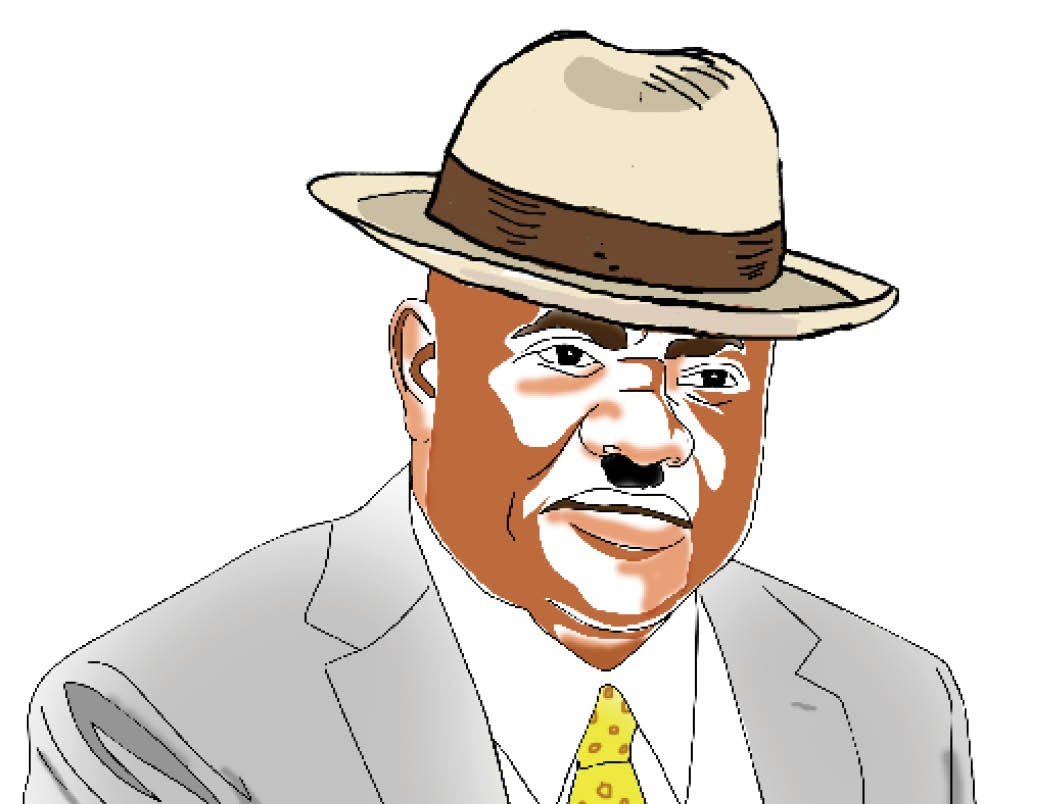
Cheeringly, however, the Nyesom Wike’s administration since his assumption as FCT minister has made noticeable improvements in infrastructural development of the six area councils, changing the long unbecoming narratives of underdevelopment in Abuja’s satellite communities.
Sometime last year, Wike disclosed that President Bola Ahmed Tinubu had allocated about N300 billion for the development of satellite towns across the six are councils of the FCT. Wike disclosed this during the inauguration of the 9km Paikon Kore-Ibwa road in the Gwagwalada Area Council. The minister noted that while the cost of the construction of the road project was put at N8.5 billion, he said N50 billion had been invested in various projects within the Gwagwalada Area.
Wike further noted then that N22 billion had been earmarked for the Aguma Palace road in Gwagwalada in addition to the completion of renovation works in five secondary schools in the Gwagwalada Area Council, including the School for the Gifted. He further maintained that this and other investments in the satellite towns of the FCT underscores President Tinubu’s commitment to the development of the satellite towns of the FCT. The minister stated that the total investments within the Gwagwalada Area Council alone exceeded N50 billion.
While we commend Wike for the development strides so far in the satellite towns of the FCT, Daily Trust calls on him to do more for the satellite towns in order to bridge the wide infrastructural gap between the capital city and communities within the six area councils of the FCT. It would be apt to provide property incentives that would attract private developers to the satellite towns. The Abuja rail project should also be considered a necessary infrastructural intervention.
More is also needed to be done for the satellite communities in terms of schools and roads rehabilitation, equipping of primary healthcare centres, increasing access to portable water and public power source, provision of sporting and recreational facilities which we believe are all feasible.